
Elite athletic performance is not simply correlated with expert performance in movement related skills such as running, jumping or throwing. High performance (HP) athletes have demonstrated to have superior perception, anticipation and decision making abilities (Yarrow et al 2009). These abilities are often performed in sporting environments that have very short time frames for decision making and contextually have significant implications for ongoing individual and/or team success.

Given these various elements of perception (sensory input) and acting (motor output) are ultimately a brain-mind driven experience, what are the elements of central nervous system function that require consideration by HP professionals in training design and competitive performance?
When talking to many elite athletes they will often reflect on periods of play, games or enhanced skill execution that occurs ‘in the zone’. This optimal state of athletic performance is also referred to as a ‘flow’ state (Kotler & Wheal, 1999). Flow states and the associated neuroscience is increasingly receiving attention not only in sports that have a high risk of physical injury or death (big wave surfing, base jumping, high speed motor sports) but other sports that require and athlete to perceive and act in an environment that is often rapidly changing with high numbers of variable sensory inputs and potential outcomes to decision making.
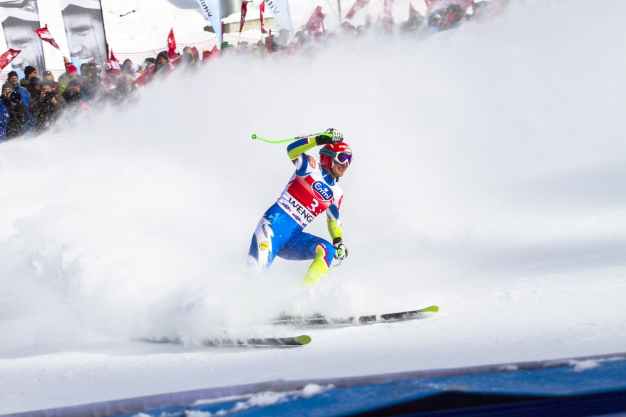
Athletes operating optimally in the ‘zone’ or in flow will have reduced activity in the dorsolateral prefrontal cortex which is the region of the brain often described as the minds ‘inner critic’. They will often describe periods of time where they report to see and feel like events are happening in slow motion allowing a greater perceived time to make decisions (Jackson & Csikszentamihayli 1999). HP athletes who can excel above those of their peers can often have an enhanced ability to quieten the ‘voice of doubt’ and optimise performance by utilising this brain-mind state with the flood of focus and performance enhancing neurotransmitters such as norepinephrine, dopamine, endorphins and serotonin.
In an age of using increasing levels of intellect in the HP environment, optimal performance outcomes may be best achieved by athletes learning to optimise flow states.
Key words: High performance Athletes Flow states Neuroscience
References.
Jackson S and Csikszentamihayli M (1999) Flow in Sports. Champaign: Human Kinetics.
Kotler S and Wheal J (2014) The Rise of Superman: Decoding the science of ultimate human performance. New York: Houghton Mifflin Harcourt Publishing Company.
Yarrow K, Brown P and Krakauer JW (2009) Inside the brain of an elite athlete: the neural processes that support high achievement in sports. Nature Reviews Neuroscience 10: 585 – 596
 Qualis Health